
UX Trends That Shape Websites in 2026

By Sofia Rousenova
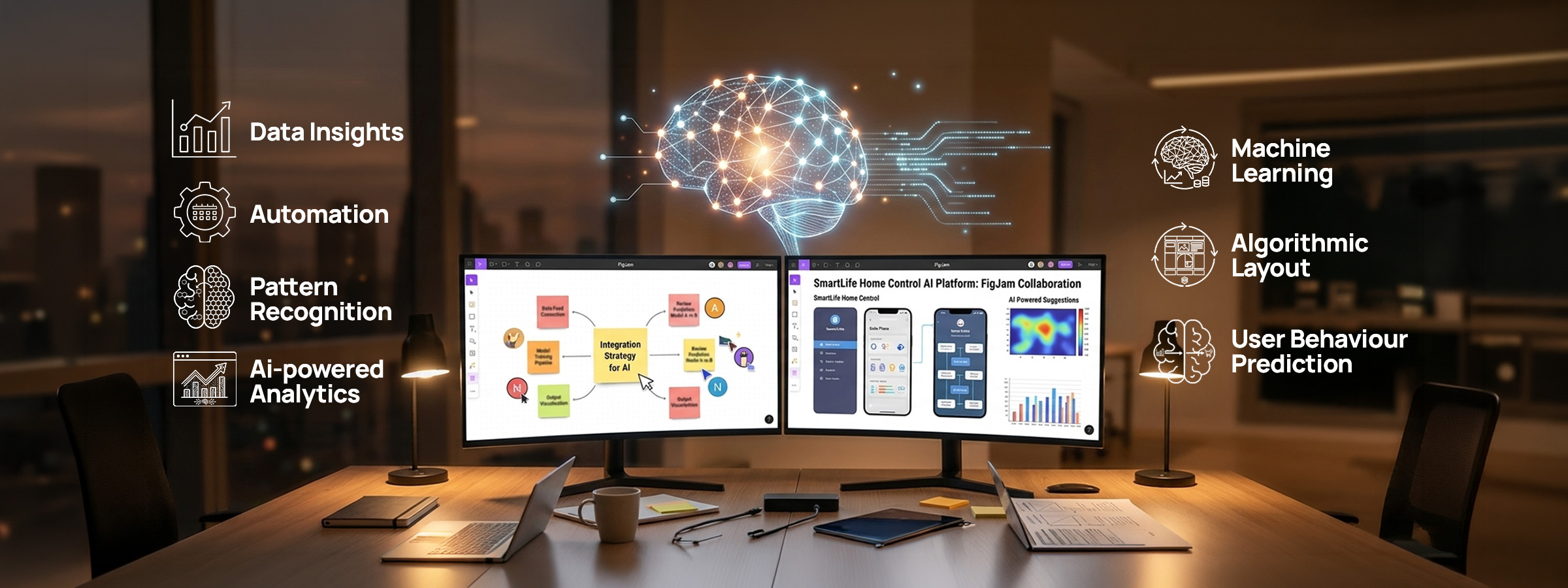
By 2026, the era of the “static website” has begun to fade away. High-performing digital products are no longer just pages to be browsed – they are active partners that anticipate needs, adapt in real-time, and bridge the gap between digital and physical worlds. Driven by advances in AI, changing user expectations, and stricter regulations, UX is shifting toward experiences that are more human, more contextual, and more responsible.
Here are some of the most significant UX trends in 2026—though adoption varies widely depending on budget, industry, and technical maturity.
1. AI Becomes the Core of UX
AI is no longer just a feature, it’s becoming the foundation of digital experiences. Instead of just reacting to input, interfaces now anticipate behavior and adjust accordingly, creating smoother and faster user journeys. Websites increasingly use AI to predict user needs, adapt layouts dynamically and automate interactions.
A good real brand example is Amazon. Its homepage, search engine, and product recommendations are heavily AI-driven. The homepage predicts what users want before they search, dynamically adjusts content per user, optimises checkout flows automatically.
2. Personalisation in Real Time
Personalisation has evolved into something very advanced. This is driven by growing user expectations – industry studies show that around 80% of consumers now expect personalised experiences. The result is a UX that feels relevant, efficient, and tailored to each individual. In 2026, websites:
- Adapt content based on context (location, time, behavior)
- Change UI elements dynamically
- Surface relevant actions instantly

An example here is Netflix. The platform personalises thumbnails, recommendations, and even content previews. This is real-time adaptation based on behavior which can reduce cognitive load and decision fatigue, improving usability and engagement.
3. Multimodal Interfaces
Over the past decade, most digital products have relied on one primary mode of interaction: tapping, clicking, or typing. However, in 2026, that’s no longer enough. The multimodal interfaces allow users to interact in the most natural way. Even more advanced are “sentient interfaces,” which interpret emotional or contextual cues (like tone or behavior) to adapt the experience in real time. Modern UX combines voice, touch, gesture, and visual input.

A real brand example is Google Assistant & Google Lens. They allow users to interact via voice, text, or camera. Recent Google research shows users increasingly expect help across modalities, not just traditional input methods.
4. Immersive and Spatial Experiences
UX is expanding beyond flat screens. These immersive experiences improve engagement and help users better understand complex information. Websites are increasingly integrating 3D elements, AR-like interactions, spatial layouts.
For example, the IKEA Place app allows users to place furniture in their real space using AR and according to Google’s research 3D/AR experiences improve user understanding and confidence, especially in e-commerce.
5. Human-Centered Design Makes a Strong Return
As AI-generated design becomes widespread, brands are actively pushing back against overly polished, “template-like” experiences. This reflects a broader need for authenticity in a world saturated with automation. Design trends now emphasise:
- Organic layouts and shapes
- Imperfection and personality
- Emotional storytelling
6. Functional Minimalism + Meaningful Micro-Interactions
Minimalism is evolving, not disappearing. Micro-interactions (like button feedback or transitions) improve usability without overwhelming the interface. In 2026, it’s about:
- Reducing noise
- Highlighting key actions
- Using subtle animations to guide users

The best example here is Apple’s website which uses minimal design with subtle animations.
7. Accessibility, Compliance, and Ethical UX
UX is no longer just about usability—it’s also about responsibility. Compliance is becoming a core part of UX design from the start. New regulations and standards are making accessibility mandatory, data transparency essential, ethical AI design critical.
8. Sustainable and Performance-Driven UX
Performance is now a UX priority—not just a technical concern. Even small performance improvements can significantly impact conversion rates and user satisfaction. Designers are focusing on faster load times, lightweight assets, and energy-efficient design.
9. Digital Wellbeing and Calm Interfaces

Users are becoming increasingly aware of how digital products affect their mental health. Design is no longer just about engagement—it’s about a healthy engagement. As a result, UX is shifting toward less addictive patterns and reduced cognitive overload.
UX in 2026 is shaped by a powerful balance: technology is becoming more intelligent while experiences are becoming more human. It’s no longer about interfaces. It’s about creating systems that understand and support people. The most successful websites will be those that:
- Adapt in real time
- Respect users’ needs and privacy
- Deliver value with minimal friction